Material Develop By-Pridgen Trujillo
If you're taking into consideration vision adjustment options, SMILE eye surgical treatment could be on your radar. This ingenious treatment involves developing a tiny lenticule in the cornea to deal with nearsightedness and astigmatism. Unlike https://drive.google.com/file/d/1e8_NeM94fNdyx9UaGEh4t7nX0TPjtc9f/view?usp=drive_link , it's less invasive and assures quicker healing. Nevertheless, while there are significant benefits, there are likewise risks included. Comprehending https://wacotrib.com/waco_today_magazine/technology-skills-keep-brazos-eye-surgery-sharp/article_78ed33de-9e60-11eb-b29d-1f5be18a9dcc.html can help you make an enlightened choice about your eye health. What's the recuperation process like, and what should you anticipate?
Understanding the SMILE Procedure
The SMILE procedure, or Little Laceration Lenticule Removal, is a minimally invasive eye surgical procedure designed to deal with vision concerns like nearsightedness and astigmatism.
During this procedure, a laser develops a tiny lenticule, or lens-shaped cells, within the cornea. You won't require any stitches, as the small cut permits a fast recovery.
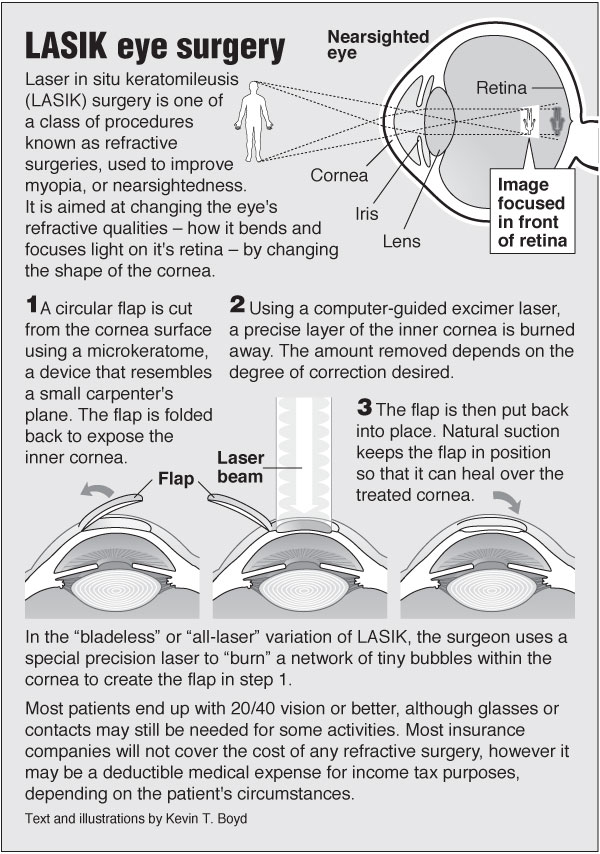
The cosmetic surgeon then gets rid of the lenticule through this tiny cut, reshaping your cornea to improve your vision. Unlike typical LASIK, SMILE does not need the development of a large flap, which can result in fewer complications.
You'll locate that this method is much less disruptive to the corneal structure, potentially improving stability. Comprehending the procedure helps you really feel a lot more confident as you consider your alternatives for vision correction.
Benefits of SMILE Eye Surgical Procedure
While taking into consideration vision adjustment alternatives, you may locate that SMILE eye surgical procedure provides numerous engaging benefits.
First, it's minimally invasive, requiring only a little incision, which suggests less disruption to your eye structure. This leads to quicker healing times and less discomfort contrasted to traditional LASIK.
You'll likewise appreciate its accuracy; SMILE uses sophisticated laser innovation to reshape the cornea, giving superb results for nearsightedness and astigmatism.
Additionally, many individuals report enhanced visual top quality, with less instances of glow or halos. Considering that there's no requirement for a corneal flap, your eyes stay more steady post-surgery.
Lastly, the treatment usually takes just a few mins, enabling you to return to your day-to-day tasks much faster than with other methods.
Possible Threats and Recuperation Process
Although SMILE eye surgical procedure is generally risk-free, it is necessary to be knowledgeable about prospective threats that can arise throughout or after the treatment. Some people may experience temporary side effects like completely dry eyes, glow, or halos around lights.
In rare cases, complications such as infection, vision loss, or the need for additional surgical treatment can occur.
Healing normally involves a few days off and preventing difficult activities. You must follow your surgeon's post-operative directions thoroughly, consisting of utilizing suggested eye declines and attending follow-up consultations.
Several individuals observe boosted vision within a few days, however complete healing can take weeks. Staying person and giving your eyes time to heal is necessary for the best result.
Final thought
To conclude, SMILE eye surgical procedure provides a modern-day, minimally invasive choice for dealing with nearsightedness and astigmatism. With its quicker healing time and lowered discomfort, it's an attractive choice for numerous. Nevertheless, it's necessary to evaluate the prospective dangers against the advantages. By remaining notified and following post-operative care, you can maximize your chances of an effective end result. If you're considering this procedure, talk to your eye care specialist to figure out if it's best for you.